
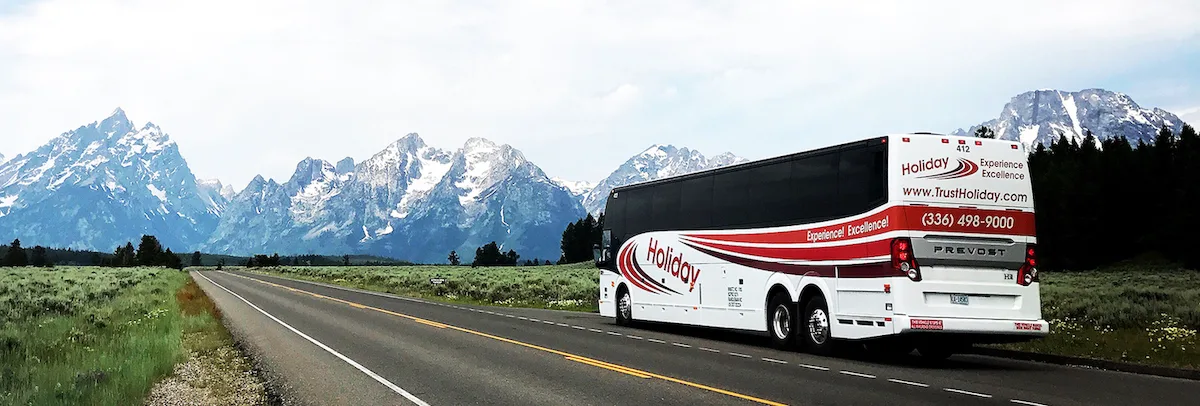

Holiday tours are no longer just about visiting famous destinations—they have evolved into immersive experiences that combine culture, adventure, personalization, and efficiency. Today’s travelers seek tours that maximize engagement, minimize wasted time, and deliver unique, lasting memories. Successful holiday tours require strategic planning, integration of modern travel tools, and understanding complex logistics.
This article explores advanced tour planning strategies, immersive experience design, sustainable travel practices, and optimization of logistics, ensuring that your next holiday is more than just a typical trip.
1. Strategic Destination Selection
Advanced holiday planning begins with careful destination selection beyond popular tourist spots. Consider factors such as crowd density, seasonal events, cultural significance, and accessibility.
Key factors for choosing destinations:
-
Seasonal optimization: Traveling during shoulder or off-peak seasons ensures better accommodation availability, fewer crowds, and cost efficiency.
-
Cultural calendars: Festivals, exhibitions, or local events can enhance the immersive experience of a destination.
-
Accessibility analysis: Advanced travelers consider transport infrastructure, visa requirements, and local mobility options.
-
Emerging destinations: Opting for lesser-known locations can provide unique experiences and a more authentic connection with the local culture.
Analyzing these factors ensures that your holiday tour is both efficient and memorable, avoiding overcrowded sites and logistical pitfalls.
2. Personalization of the Tour Experience
Generic itineraries rarely satisfy modern travelers. Personalizing the tour elevates the experience by aligning activities with interests, energy levels, and unique preferences.
Advanced personalization techniques include:
-
Interest-based itineraries: Curating activities according to hobbies such as photography, culinary exploration, or adventure sports.
-
Flexible scheduling: Allowing room for spontaneous decisions without sacrificing pre-booked experiences.
-
Tailored accommodations: Selecting lodging that aligns with preferences, such as boutique hotels, heritage stays, or eco-resorts.
-
Local interaction: Engaging with local guides or communities to create authentic, memorable experiences.
Personalization ensures each aspect of the tour resonates with the traveler, increasing satisfaction and long-term value.
3. Leveraging Technology for Seamless Travel
Modern technology transforms holiday tours into efficient, stress-free experiences. Advanced travelers use technology to streamline logistics, enhance safety, and create more immersive experiences.
Key technological tools include:
-
AI-based itinerary planners: These platforms optimize schedules, reducing travel time and suggesting unique local experiences.
-
Mobile navigation and translation apps: Facilitate smooth navigation in foreign locations and ease communication barriers.
-
Travel analytics: Real-time monitoring of flights, weather, and crowd density helps make informed adjustments.
-
AR and VR previews: Virtual exploration of destinations allows pre-selection of preferred activities and routes.
Integrating technology ensures a well-organized, adaptive, and enjoyable tour experience, minimizing common travel inefficiencies.
4. Sustainable and Responsible Travel
Sustainability is no longer optional for advanced holiday tours. Travelers are increasingly prioritizing eco-friendly practices, ethical tourism, and cultural preservation.
Sustainable travel strategies include:
-
Eco-conscious accommodations: Selecting hotels or resorts with green certifications and renewable energy practices.
-
Reduced carbon footprint: Prioritizing train travel, local transport, or shared mobility options over frequent flights.
-
Supporting local economies: Engaging local guides, purchasing locally made goods, and dining at family-owned establishments.
-
Responsible wildlife and nature activities: Avoiding exploitation-driven tours and focusing on conservation-friendly experiences.
Sustainable practices enhance the ethical value of travel and ensure destinations remain enjoyable for future generations.
5. Advanced Time Management for Multi-Destination Tours
Multi-destination holiday tours can become chaotic without careful planning. Advanced travelers maximize experiences while minimizing travel fatigue by optimizing routes, transport modes, and scheduling.
Techniques for efficient multi-destination planning:
-
Cluster destinations geographically: Reduce transit times by grouping nearby attractions or cities together.
-
Flexible transport arrangements: Pre-book key transport while leaving room for local adjustments.
-
Priority-based scheduling: Focus on high-value experiences first and allow buffer time for spontaneous exploration.
-
Integrated travel passes: Use city cards or multi-attraction tickets to save time and avoid queues.
By strategically managing time, travelers can experience more without feeling rushed, maintaining energy for immersive activities.
6. Immersive Cultural Experiences
An advanced holiday tour emphasizes deep cultural engagement rather than superficial sightseeing. Engaging with local culture creates lasting memories and enriches understanding of the destination.
Ways to enhance cultural immersion:
-
Hands-on workshops: Participate in local crafts, cooking, or traditional music sessions.
-
Community-led tours: Engage with local guides who provide insider perspectives.
-
Cultural dining experiences: Explore regional cuisine beyond popular tourist restaurants, focusing on authentic local flavors.
-
Historical storytelling: Attend local storytelling events or guided heritage tours to contextualize landmarks.
Cultural immersion transforms a holiday into a learning experience, adding depth and personal connection to the journey.
7. Safety and Risk Management
Advanced holiday tours require preemptive risk management, especially when exploring remote or unfamiliar destinations.
Key safety considerations:
-
Comprehensive insurance: Ensure travel insurance covers medical emergencies, cancellations, and activity-specific risks.
-
Local safety protocols: Research regional advisories, emergency contacts, and health regulations.
-
Digital backup plans: Store copies of travel documents, itineraries, and emergency contacts in cloud storage.
-
Health preparedness: Vaccinations, fitness checks, and medication management tailored to destination requirements.
Preparedness ensures that unforeseen events do not derail the holiday experience, providing peace of mind throughout the journey.
8. Adventure and Experiential Activities
Adventure tourism is a growing segment for travelers seeking thrill and unique experiences. Advanced planning ensures these activities are safe, enjoyable, and seamlessly integrated.
Adventure planning tips:
-
Pre-assessment of skill levels: Match activities with physical fitness and expertise.
-
Certified operators: Prioritize licensed guides and adventure companies for high-risk activities.
-
Time-of-day optimization: Plan activities such as trekking, diving, or safaris at optimal times for safety and visibility.
-
Environmental awareness: Choose activities that minimize ecological impact.
Adventure-focused tours combine excitement with structured safety, creating unforgettable memories.
9. Optimizing Travel Budgets for High-Value Experiences
Even advanced travelers benefit from strategic budgeting, ensuring the holiday delivers maximum value.
Budget optimization strategies:
-
Dynamic pricing alerts: Monitor flights, accommodations, and experiences for cost fluctuations.
-
Value-based allocation: Prioritize spending on experiences that create the most memorable impact.
-
Package synergy: Combine multi-service packages to reduce costs without compromising quality.
-
Hidden cost awareness: Include local taxes, tipping customs, and transport expenses in the budget.
Effective budgeting ensures that the holiday balances luxury, convenience, and value, avoiding last-minute financial stress.
10. Post-Trip Analysis and Memory Preservation
The holiday tour experience does not end when the journey concludes. Advanced travelers analyze experiences and preserve memories to inform future trips.
Post-trip strategies:
-
Travel journaling: Record highlights, logistical lessons, and cultural insights for future reference.
-
Photo and video organization: Use AI tools to categorize media and create memorable montages.
-
Feedback to operators: Provide constructive reviews to support quality tourism services.
-
Reflective planning: Identify lessons learned to refine subsequent trips for efficiency and enjoyment.
Post-trip reflection ensures continuous improvement in travel strategies, enhancing every future holiday tour.
FAQ Section
Q1: How can multi-destination tours be optimized for efficiency?
Grouping destinations geographically, prioritizing high-value experiences, and using integrated travel passes reduces travel time and fatigue.
Q2: What strategies enhance cultural immersion during holiday tours?
Participating in workshops, engaging local guides, dining at authentic eateries, and attending storytelling or heritage events deepen cultural understanding.
Q3: How can travelers balance adventure activities with safety?
Assess skill levels, use certified operators, schedule activities optimally, and consider environmental impact for safe adventure tourism.
Q4: What role does technology play in modern holiday tours?
Technology streamlines planning, navigation, communication, and real-time adjustments, creating more seamless and immersive travel experiences.
Q5: Why is sustainable travel important for advanced tours?
Sustainable practices protect the environment, support local communities, and ensure destinations remain enjoyable for future travelers.
Q6: How should travelers manage budgets for high-value experiences?
Dynamic pricing, value-based allocation, package synergy, and accounting for hidden costs ensures maximum enjoyment without financial stress.
Q7: What are effective strategies for post-trip reflection?
Travel journaling, organizing media, giving feedback, and analyzing logistical insights improve future travel planning.
Comments are closed.