
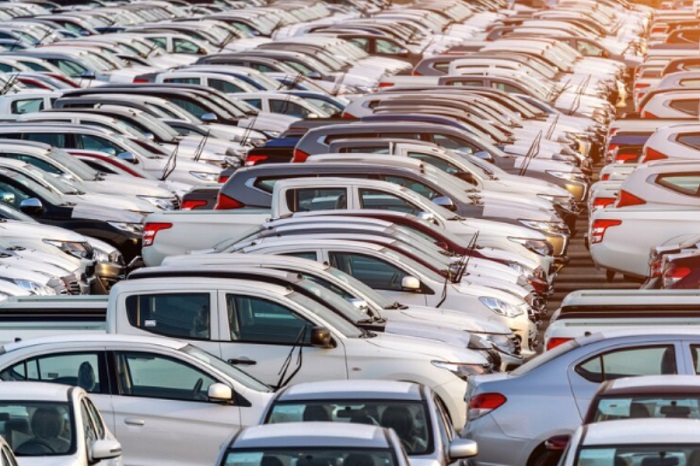

The automotive industry has experienced a rapid evolution over the past decade, transforming the vehicle from a simple mode of transportation into a highly sophisticated technological ecosystem. Advanced vehicles now integrate artificial intelligence, electrification, connectivity, and automation, redefining mobility and shaping the future of transportation.
This article dives deep into vehicle innovation, alternative powertrains, autonomous technologies, vehicle safety systems, market trends, and environmental impact, providing a comprehensive perspective for industry professionals, enthusiasts, and investors.
1. Electrification and Alternative Powertrains
The shift from traditional internal combustion engines to alternative powertrains represents one of the most significant transformations in the automotive world.
Key developments include:
-
Electric Vehicles (EVs): Fully electric vehicles powered by lithium-ion or solid-state batteries dominate the push toward sustainable mobility. They offer zero emissions and reduced operating costs compared to gasoline vehicles.
-
Hybrid Vehicles: Combining internal combustion engines with electric motors, hybrids provide a transitional solution for markets with limited EV infrastructure.
-
Hydrogen Fuel Cell Vehicles (FCVs): FCVs convert hydrogen into electricity, emitting only water vapor. They offer long-range performance and rapid refueling potential.
-
Biofuel and Synthetic Fuel Vehicles: Advanced biofuels and synthetic fuels present alternative solutions to reduce carbon footprints without requiring major infrastructure changes.
The transition to alternative powertrains is driven by regulatory pressures, environmental concerns, and technological advancements, positioning vehicles as key players in sustainable transportation.
2. Autonomous and Connected Vehicle Technologies
Autonomous vehicles (AVs) are no longer a futuristic concept—they are actively being tested and integrated into urban environments.
Core aspects of autonomous and connected vehicles include:
-
Levels of autonomy: Ranging from Level 1 (driver assistance) to Level 5 (fully autonomous), each level represents a step toward reduced driver dependency.
-
Advanced driver-assistance systems (ADAS): Features like adaptive cruise control, lane-keeping assist, automatic emergency braking, and traffic sign recognition enhance safety and convenience.
-
Vehicle-to-everything (V2X) communication: Enables vehicles to interact with infrastructure, other vehicles, and pedestrians, reducing collisions and traffic congestion.
-
Smart infotainment systems: Integration of AI-driven navigation, personalized entertainment, and predictive maintenance alerts enhances the driving experience.
Autonomous and connected vehicles promise to redefine urban mobility, reduce accidents, and optimize traffic management, signaling a profound shift in the automotive landscape.
3. Advanced Vehicle Safety Systems
Safety remains a top priority for modern vehicle design, with innovations aimed at minimizing accidents, injuries, and fatalities.
Notable safety technologies include:
-
Collision avoidance systems: Utilize radar, lidar, and cameras to detect obstacles and mitigate collision risks.
-
Predictive safety systems: AI algorithms analyze driving behavior and traffic patterns to predict potential hazards.
-
Active and passive safety features: Airbags, reinforced chassis structures, crumple zones, and seatbelt pre-tensioners protect occupants during accidents.
-
Pedestrian and cyclist detection: Sensors alert drivers and apply automatic braking to prevent accidents involving vulnerable road users.
Safety innovation ensures that vehicles not only meet regulatory standards but also exceed expectations for consumer protection in increasingly complex traffic environments.
4. Vehicle Design and Aerodynamics
Modern vehicle design extends beyond aesthetics, focusing heavily on aerodynamics, efficiency, and user experience.
Key considerations include:
-
Aerodynamic efficiency: Reduced drag improves fuel economy and extends EV range. Techniques include smooth underbodies, active spoilers, and streamlined body panels.
-
Lightweight materials: Advanced alloys, carbon fiber, and reinforced plastics reduce vehicle weight, enhancing performance and efficiency.
-
Ergonomics and user experience: Intuitive cabin layouts, customizable seating, and smart interfaces prioritize comfort and accessibility.
-
Sustainable materials: Incorporating recycled or renewable materials in interiors reduces environmental impact.
A focus on design and aerodynamics ensures that vehicles are efficient, safe, and aesthetically appealing, meeting both consumer expectations and environmental standards.
5. Vehicle Market Trends and Consumer Behavior
The automotive market is influenced by rapidly changing consumer preferences, regulatory frameworks, and economic conditions.
Current trends include:
-
Shift toward electrification: EV adoption continues to accelerate globally due to incentives, infrastructure development, and consumer awareness.
-
Premiumization: Demand for luxury and technologically advanced vehicles is growing in emerging markets.
-
Subscription-based ownership models: Flexible leasing and mobility-as-a-service (MaaS) options are challenging traditional ownership paradigms.
-
Urban mobility solutions: Compact cars, electric scooters, and shared micro-mobility vehicles address congestion and environmental concerns.
Understanding market dynamics helps manufacturers, investors, and policymakers align strategies with evolving consumer demands and regulatory frameworks.
6. Environmental Impact and Sustainability
Vehicle production and operation have significant environmental implications, prompting a shift toward eco-conscious practices.
Sustainable practices in the automotive industry include:
-
Energy-efficient manufacturing: Reduced waste, renewable energy usage, and water conservation in vehicle production.
-
Emission reduction technologies: Catalytic converters, particulate filters, and battery electrification reduce pollutants.
-
Lifecycle management: End-of-life recycling programs for batteries, plastics, and metals minimize environmental footprint.
-
Promotion of shared mobility: Carpooling, ride-hailing, and vehicle-sharing reduce per-capita emissions and traffic congestion.
Sustainability in vehicles is not only a regulatory requirement but also a competitive advantage for companies appealing to environmentally conscious consumers.
7. Vehicle Maintenance and Predictive Analytics
Modern vehicles increasingly rely on data-driven maintenance and predictive analytics to optimize performance and reduce downtime.
Key trends in maintenance include:
-
Telematics and diagnostics: Real-time monitoring of engine health, battery status, and tire pressure alerts owners to potential issues.
-
Predictive maintenance algorithms: AI analyzes historical and real-time data to anticipate component failures.
-
Connected service platforms: Online scheduling, maintenance tracking, and automated reminders improve vehicle longevity.
-
Enhanced aftermarket solutions: Customizable parts, software updates, and service optimization improve operational efficiency.
Advanced maintenance solutions ensure vehicles are safe, reliable, and cost-effective over their lifecycle.
8. Future of Vehicle Technology
The automotive industry is moving toward a future characterized by intelligent, sustainable, and autonomous vehicles.
Future trends include:
-
Integration of AI in driving and design: Machine learning will enhance autonomous navigation, energy efficiency, and predictive diagnostics.
-
Electrification acceleration: Solid-state batteries, wireless charging, and grid integration will revolutionize vehicle energy management.
-
Connected smart cities: Vehicles will communicate with infrastructure to optimize traffic flow, reduce emissions, and enhance mobility.
-
Advanced human-machine interfaces: Gesture control, voice commands, and augmented reality dashboards will redefine user experience.
The future of vehicles emphasizes technology-driven mobility, sustainability, and human-centric design, creating a paradigm shift in transportation globally.
FAQ Section
Q1: What are the main types of alternative powertrains in modern vehicles?
They include electric vehicles (EVs), hybrid vehicles, hydrogen fuel cell vehicles (FCVs), and biofuel/synthetic fuel-powered vehicles.
Q2: How do autonomous vehicles enhance road safety?
Through AI-driven driver-assistance systems, collision avoidance, predictive hazard detection, and vehicle-to-everything communication.
Q3: Why is aerodynamics important in vehicle design?
Aerodynamics reduces drag, improves fuel efficiency, extends EV range, and enhances stability at high speeds.
Q4: What trends are shaping the future vehicle market?
Electrification, premiumization, subscription-based ownership, shared mobility, and urban-focused transport solutions.
Q5: How are predictive maintenance systems transforming vehicle reliability?
By using real-time data and AI to anticipate component failures, reducing downtime, maintenance costs, and unexpected breakdowns.
Q6: What role does sustainability play in the automotive industry?
Sustainability minimizes emissions, reduces environmental impact during production and usage, and appeals to eco-conscious consumers.
Q7: How are connected vehicles changing mobility?
Connected vehicles enable communication with infrastructure, other vehicles, and pedestrians, enhancing traffic flow, safety, and efficiency.
Comments are closed.