
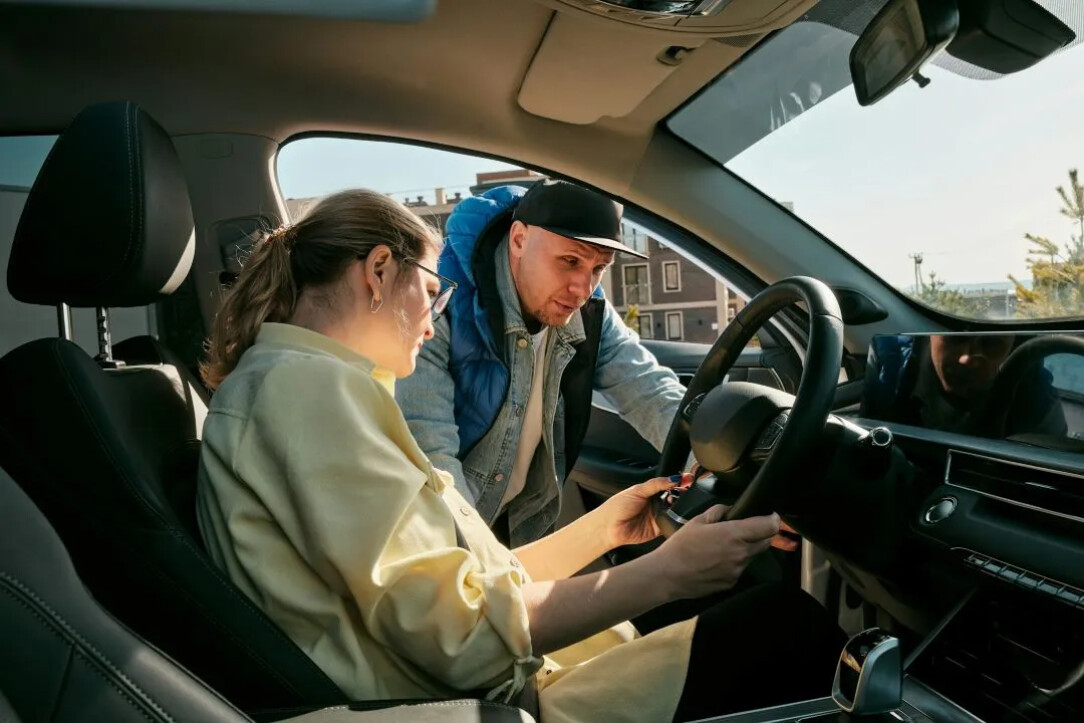

Buying a vehicle from an individual seller often yields a significantly better price than walking onto a franchised dealership lot, but it completely removes the corporate safety net. You are dealing with an unfamiliar person, handling an unfamiliar machine, and potentially exposing yourself to physical danger, legal liability, or financial fraud. A productive test drive is not simply about discovering whether you enjoy the feel of the steering wheel; it is a dual-purpose assessment of personal security and mechanical integrity. Navigating this interaction successfully requires preparation, clear boundaries, and an uncompromising approach to your own safety.
Establishing Ground Rules Before the Meetup
Safety begins well before you ever slip into the driver’s seat. When arranging a meeting through an online classified or peer-to-peer marketplace, you should dictate the terms of engagement rather than defaulting to the seller’s preference.
Never agree to meet at an isolated industrial park, an unfamiliar residential driveway after dark, or an abandoned storefront. Insist on meeting in broad daylight at a neutral, high-visibility public location. Many municipal police stations now offer designated safe exchange zones in their public parking lots, complete with twenty-four-hour video surveillance and proximity to law enforcement. If a station lot is impractical, a busy bank parking lot during operating hours serves as an exceptional alternative, offering ample security cameras and a safe indoor space to handle paperwork later.
Bring a companion with you. A second pair of eyes not only deters bad actors, but also provides a vital sounding board during the mechanical evaluation. If the seller insists that you arrive alone, treats basic safety requests with hostility, or abruptly changes the meeting point at the last minute, cancel the meeting immediately.
Clarify the insurance situation beforehand. In most states, auto insurance follows the vehicle, meaning the owner’s comprehensive and collision coverage should theoretically apply if an accident occurs during a permissive test drive. However, policies vary widely. Verify that your own personal auto insurance policy includes a non-owned vehicle endorsement, which extends your existing liability and collision coverage to cars you test drive or rent.
The Vital Pre-Drive Inspection
Before you turn the ignition key, perform an objective walkaround. How the vehicle sits before it starts running reveals critical information about its condition and the seller’s honesty.
First, check that the engine is completely cold. Reach out and touch the hood or carefully place your hand near the intake manifold. A warm engine can easily mask difficult cold-starting issues, worn-out starter motors, rough idle cycles, and smoking valve stem seals. If the seller warmed the car up ten minutes before your arrival, you have lost a prime diagnostic window.
Walk around the perimeter and inspect the vehicle with a critical eye:
-
Look closely at the tires for uneven tread wear, which often points to bent suspension components, broken tie rods, or severe alignment problems.
-
Peek beneath the undercarriage to check for fresh fluid puddles, rusted frame rails, or dangling heat shields.
-
Turn the ignition key to the accessory position without starting the engine. Verify that the Check Engine light, ABS warning, and airbag indicators illuminate properly on the instrument cluster. Dishonest sellers sometimes pull the instrument cluster bulbs or place electrical tape behind the gauges to hide active diagnostic trouble codes.
Once the engine starts, let it idle for three to five minutes while you inspect the cabin. Test the air conditioning, heater, power windows, seatbelts, and exterior turn signals. Engaging these accessories places an electrical load on the alternator, allowing you to catch strange squeals or voltage drops while still safely in park.
Setting In-Cabin Boundaries
The actual test drive should only occur after identity and ownership have been established. Ask to see the seller’s driver’s license and compare the name directly to the title and registration. If the name on the title does not match the person standing in front of you—a common practice known as title jumping—step away from the deal. You may be driving a stolen vehicle or facilitating illegal curbstoning.
The seller will naturally want to accompany you to safeguard their property, which is completely reasonable. Establish seating arrangements clearly: you take the driver’s seat, your companion sits directly behind you or in the rear passenger seat, and the seller sits up front in the passenger seat.
Never hand over your original driver’s license, passport, or cash deposit as collateral for a test drive. You are within your rights to allow the seller to take a photograph of your license for their peace of mind, but your physical documents and funds must stay in your possession.
Managing the Route and Monitoring Mechanical Cues
Do not allow the seller to guide you through a pre-planned, gentle loop around two quiet neighborhood streets. A short drive at twenty-five miles per hour will not reveal transmission slipping, warped brake rotors, or high-speed wheel vibration.
Map out a test route that takes between fifteen and twenty minutes and includes diverse driving conditions: a quiet residential street, a stop-and-go commercial corridor, and a brief stretch of highway.
Keep the cabin quiet for the first ten minutes. Politely ask the seller to turn off the stereo and pause casual conversation so you can concentrate on the vehicle’s noises. Listen for rhythmic humming from bad wheel bearings, clunking over small potholes, or rattling from a loose catalytic converter heat shield.
Take the vehicle up to highway speeds to confirm that the transmission shifts smoothly through all gears without hesitation or shuddering. In a safe, open parking lot, perform several tight low-speed turns in both directions to listen for clicking CV joints. Test the brakes firmly from forty miles per hour in a straight line; the steering wheel should remain steady without pulling to one side or pulsating under foot pressure.
Concluding the Drive and Taking the Next Step
Once you return to the starting point, leave the engine idling for another two minutes. Pop the hood and look for any fresh fluid leaks, smoking exhaust manifolds, or strange bubbling in the coolant overflow tank that only appears after the engine reaches full operating temperature.
If the car passes your test drive, resist the urge to negotiate on the spot or hand over cash. The final step of any responsible private vehicle transaction is an independent pre-purchase inspection (PPI) by an ASE-certified mechanic of your choice. Offer to pay for the inspection yourself; an honest seller with nothing to hide will routinely agree to drop the vehicle off at a local repair shop or allow a mobile mechanic to inspect it on site.
Approaching a private test drive with a structured plan eliminates uncertainty. By treating personal safety as a prerequisite and evaluating the machinery methodically, you protect both your physical well-being and your bank account from costly missteps.
Comments are closed.