
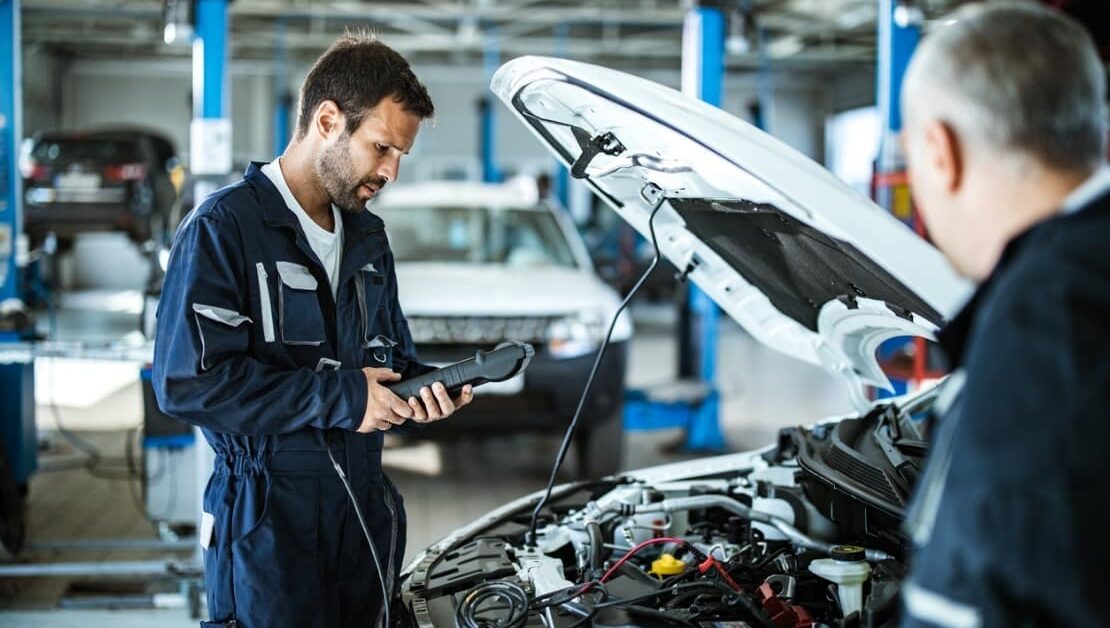

The auto repair business is no longer just about nuts, bolts, and brake pads. It’s evolving fast, driven by shifts in vehicle technology, consumer expectations, and global economic forces. Understanding automotive industry trends is crucial for shop owners who want to stay ahead in a market that is constantly moving. Today’s successful garages are the ones that anticipate change and adjust operations before it becomes a necessity.
Whether you’re running a family-owned repair shop or overseeing a growing multi-bay operation, these trends affect how you attract customers, train staff, invest in tools, and structure your services. The playing field is changing—those who adapt will thrive, while those who ignore the writing on the wall may find themselves left behind.
Keeping up with automotive industry trends is essential for repair shops, parts suppliers, and dealers. From electric vehicles and smart diagnostics to sustainability and automation, trends shape how businesses operate. Staying ahead of the curve ensures relevance and positions your service to adapt to consumer expectations.
The Surge of Electric and Hybrid Vehicles
One of the most noticeable changes across the industry is the rising number of electric vehicles and hybrids hitting the road. For years, they were a small niche, but now they’re becoming mainstream. More automakers are committing to all-electric lineups, and governments are pushing aggressive timelines to phase out internal combustion engines.
What does this mean for independent repair shops? For starters, it requires new skill sets. Traditional repairs like oil changes and exhaust system fixes will decrease. In their place, diagnostics for high-voltage batteries, inverter cooling systems, and electric drivetrains will take center stage. Technicians will need proper certification and equipment to work safely on these vehicles. Shops must also consider insulating tools, rubber mats, and training programs focused on electric powertrain service.
Another challenge is that electric vehicle components often have fewer moving parts. While that might sound like less work for shops, it doesn’t necessarily mean fewer opportunities. These cars still need tire services, suspension maintenance, software updates, and AC system repairs. The real change lies in understanding how to shift services toward areas that EVs still require—and being ready to support that transition.
ADAS and the Complexity of Modern Safety Features
Advanced Driver Assistance Systems (ADAS) are now standard on many new vehicles. These systems include features like lane departure warnings, blind spot detection, forward collision alerts, and adaptive cruise control. While great for drivers, they add layers of complexity for technicians.
Calibrating ADAS sensors after a windshield replacement, suspension repair, or wheel alignment is not optional—it’s a safety necessity. If improperly calibrated, the system may misjudge surroundings or fail entirely. Shops that do not offer ADAS recalibration risk falling behind.
This is where investment in technology becomes critical. Calibration equipment, training, and a workspace that accommodates these procedures will set progressive shops apart. Even tasks that once seemed simple—like replacing a bumper or mirror—now involve digital alignment and sensor verification.
The Expansion of Digital Shop Management
Technology isn’t just transforming the vehicles—it’s transforming the shops that service them. Digital shop management platforms are now integral to operations. From estimating labor time to customer scheduling and parts tracking, software is the backbone of efficient shop flow.
Customers are increasingly looking for digital convenience. Online booking, text alerts, electronic invoices, and service history access have moved from nice-to-have to must-have. Shops that still rely on whiteboards and paper files struggle to keep up with the expectations of today’s tech-savvy vehicle owners.
Digital inspections have also become a valuable tool for transparency. By sending customers photos and videos of recommended repairs, shops build trust and boost approval rates. For shop owners, these tools also provide data—on technician productivity, repair trends, and customer loyalty. Making decisions based on real metrics instead of gut feelings leads to better outcomes and more streamlined operations.
Supply Chain Disruptions and Inventory Strategy
Over the past few years, global supply chain issues have affected nearly every corner of the automotive world. From semiconductor shortages to delayed deliveries of common replacement parts, shops have had to learn how to operate in a more unpredictable environment.
This challenge has driven many shop owners to rethink how they manage parts inventory. Some are stocking more of their frequently used components, while others are diversifying their suppliers to reduce dependence on any single source. Building better relationships with regional warehouses and distributors has also become a strategic priority.
Shops must also be transparent with customers when parts are delayed. Communicating clearly and early helps reduce frustration and keeps trust intact. The repair process is as much about managing expectations as it is about turning wrenches.
Labor Shortages and the Skills Gap
Finding and keeping qualified technicians has become a major concern for the industry. As experienced techs retire, the next generation hasn’t entered the field in large enough numbers to replace them. Combine this with increasingly complex repairs, and you have a widening skills gap that impacts productivity.
To stay competitive, shop owners are looking at ways to attract talent and retain it. This means offering competitive wages, clear career paths, and ongoing education opportunities. Younger techs are often more attracted to shops that embrace modern technology and provide mentorship. Creating a strong work culture and emphasizing work-life balance also plays a role in recruitment and retention.
Some shops are building internal apprenticeship programs to grow their talent from within. While this requires time and effort, it’s a long-term investment that pays off by creating loyal, highly skilled employees who understand your operation from the ground up.
The Rise of Mobile Repair and On-Demand Services
Convenience is driving a new wave of automotive service models. Mobile repair vans, remote diagnostics, and on-site oil changes are becoming more common. For many customers, the idea of getting their car fixed at home or work is more appealing than visiting a shop.
Some brick-and-mortar businesses are expanding their services to include mobile units, especially for light repairs and diagnostics. This model allows shops to reach new customer segments and reduce no-shows or late arrivals. However, it also comes with new challenges—vehicle outfitting, insurance, scheduling logistics, and equipment limitations.
Even if a shop doesn’t go fully mobile, offering pick-up and drop-off services or a mobile-friendly customer portal helps meet the demand for convenience without fully changing the business model.
Emissions Compliance and Environmental Shifts
As environmental regulations tighten, shops will need to become more knowledgeable about emissions systems, hybrid components, and environmentally friendly service practices. Understanding how to test, repair, and document emissions-related components will be vital for compliance and customer trust.
Some shops are also pursuing green certifications or adjusting their business practices to be more eco-conscious. This might include recycling oil and batteries, switching to energy-efficient lighting, or reducing the use of harsh chemicals. These practices not only improve environmental impact but also appeal to customers who value sustainability.
Adapting to an Evolving Future
The automotive industry is on a fast-moving path of evolution. Shop owners who monitor trends and take proactive steps to adapt will not only survive but thrive. The most successful repair businesses are no longer just repair centers—they are technology-driven service providers, business managers, customer experience specialists, and community leaders all in one.
Keeping up with automotive industry trends requires more than reading headlines. It means listening to customers, investing in your team, modernizing your tools, and staying curious about what’s coming next. The road ahead is full of change, but with the right strategy, it also holds exciting opportunities for shops that are ready to lead.
Comments are closed.